A researcher on the limits of the paper trail, and why a DNA match to the Bight of Benin is a beginning, not an answer.
People arrive in Ouidah with a folder. Inside is a DNA report with a percentage next to "Benin and Togo", sometimes a surname from a plantation ledger, sometimes a port of departure. They want to know which village. We have to begin by saying that the records almost never say.
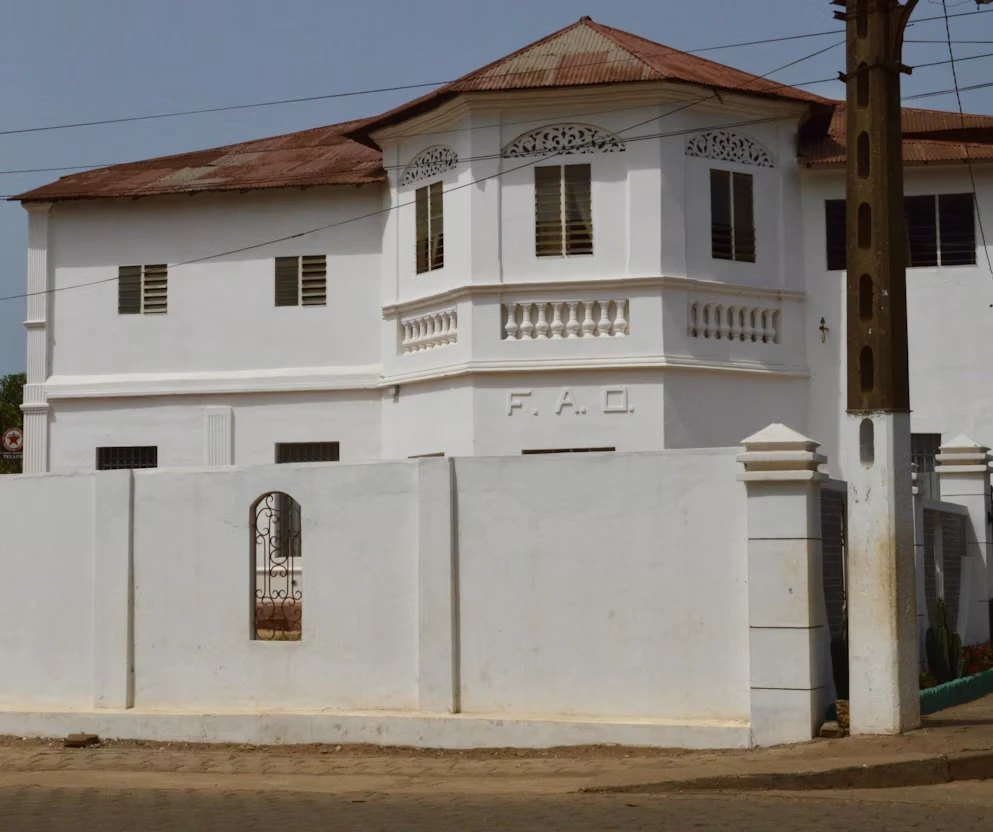
The Portuguese fort kept ledgers of ships, not of people. The French colonial archive begins in the 1890s, long after the trade ended. What survives are fragments: a chaplain's register in Bahia, a list of "returnees" who came back from Brazil in the 1830s with Portuguese surnames and built the houses that still stand on the Rue des Esclaves.
So we work sideways. A regional DNA match points to a language group. A surname that survived in the Americas can be Fon, Yoruba or Gun, and each has a geography. A ritual your grandmother kept without knowing why can have a name here. None of this is proof. All of it is a direction, and a direction is enough to walk.
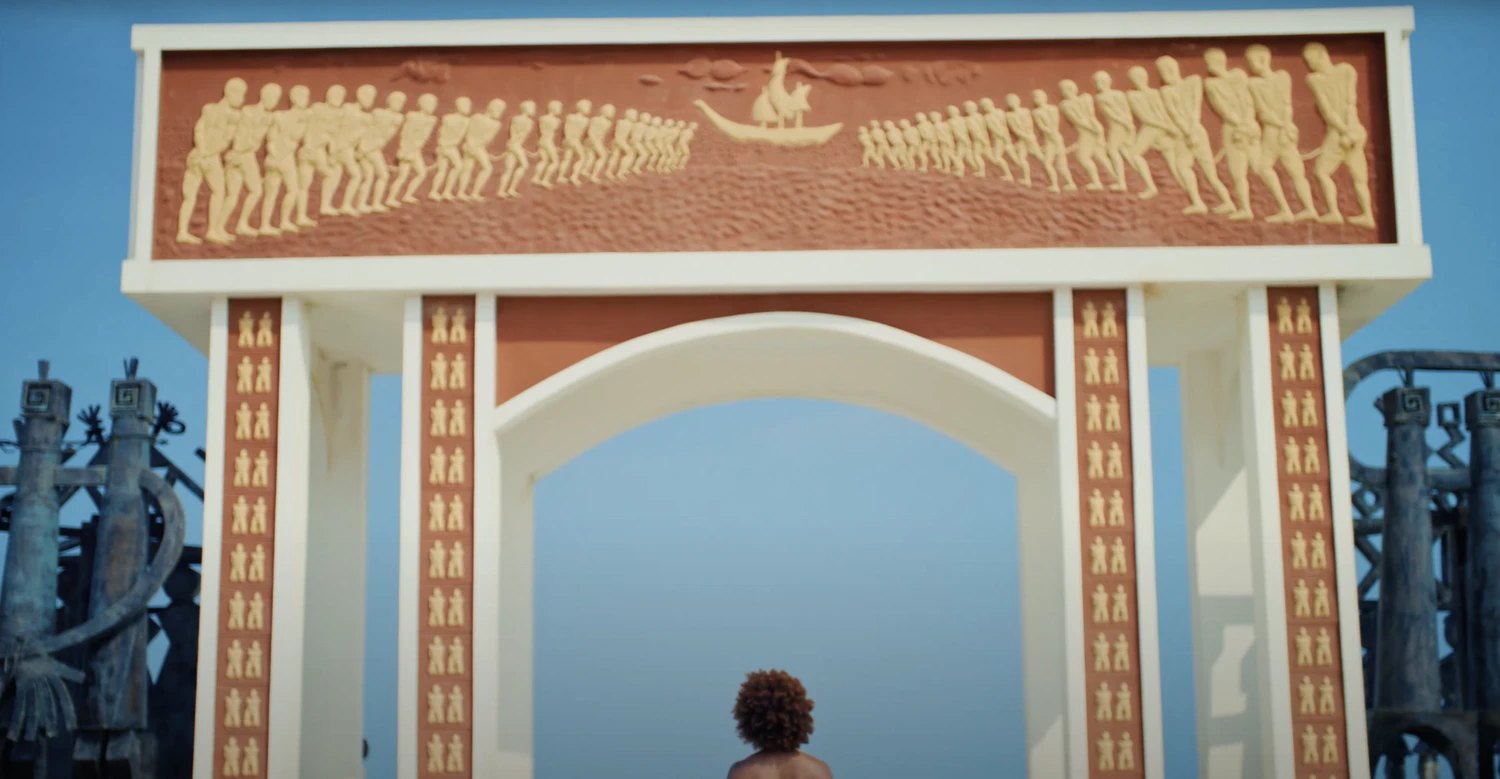
On the Return journey we spend the first evening going through the folder together, so that nobody arrives at the Door of No Return expecting a certificate. What they get instead is a place, a community that has kept the memory, and time.
All stories